-
Casinos
Online Casinos
Casino Software:
- Crypto
-
Casino Games
Casino Games:
- Real Money Slots
- Bonuses
- Banking
- Guide

 17 February 2025
 4 minutes to read


Many players believe they can crack the code behind RealTime Gaming (RTG) slots. I see it all the time in forums: players claiming they found a “zigzag” pattern, or that a slot is “due” because it hasn’t paid out in an hour.
I hate to burst the bubble, but the truth is different. These games feature advanced Random Number Generator (RNG) technology, ensuring every spin is completely independent from the previous one.
🛡️Editorial Transparency: We independently audit all casinos. We may earn a commission if you visit them through our links. Read our Editorial Policy.
However, understanding how this technology works can stop you from making costly mistakes. In this audit, I delve deeper into the RTG system, why patterns are an illusion, and the one variable you can control: Volatility.
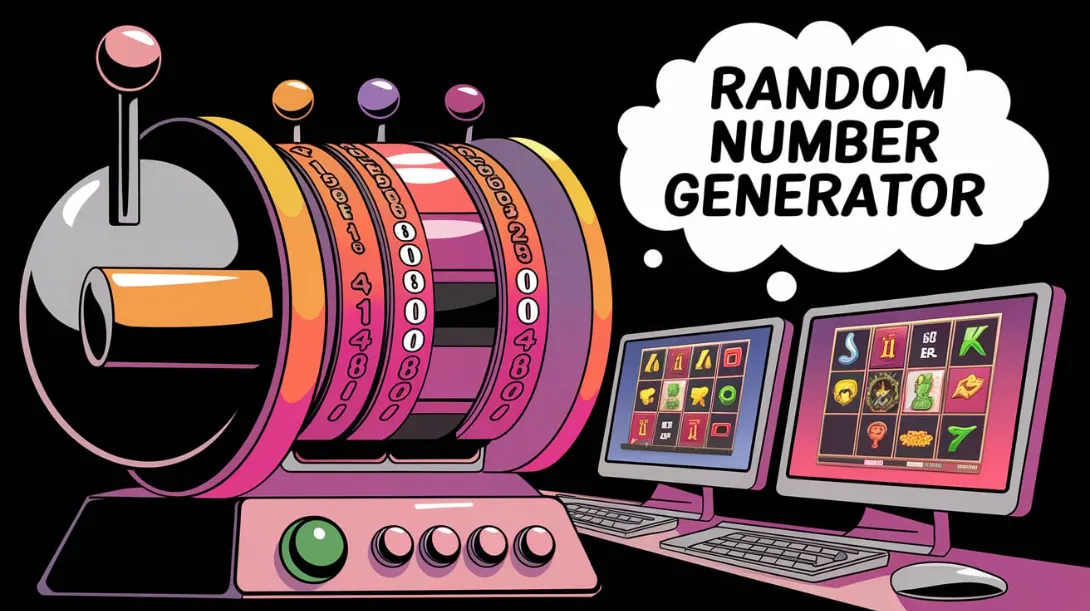
Like all legitimate online slots, RTG games run on a Random Number Generator (RNG). But what does that actually mean?
The software generates millions of number sequences per second, even when the machine is idle. It uses a starting point called a “Seed Number.”
When you press “Spin,” the RNG freezes on the exact microsecond you clicked. That split-second determines the outcome. If you had clicked one millisecond later, the result would have been completely different. The software doesn’t “remember” past spins; it only knows the current millisecond.
This is why “Hot and Cold” streaks are a fallacy. A slot with a 97% Return to Player (RTP) percentage does not promise to pay back $97 today. It promises to do so over millions of spins. In the short term (your session), anything can happen.
You shouldn’t just take the casino’s word for it. To ensure fairness, you must play at RTG online casinos that hold third-party certificates.
Independent testing labs like Gaming Labs International (GLI) and TST audit the code. They simulate millions of spins to verify two things:
The Gambler’s Fallacy is the belief that past events influence future probabilities. In slots, this manifests in three dangerous myths:
Myth 1: “The Machine is Due”
“It hasn’t paid a jackpot in weeks, so it must hit soon.” False. The odds are exactly the same on every single spin.
Myth 2: “The Zig-Zag Pattern”
“I see jackpot symbols lining up diagonally, it’s teasing me.” False. This is called the ‘Near-Miss Effect,’ designed psychologically to keep you playing, but it has no impact on the next spin.
Myth 3: “Time of Day Matters”
“Casinos loosen slots on Friday nights.” False. Changing the RTP settings requires regulatory approval; they can’t just flip a switch for the weekend.
RTG slots pay fairly, but a bad bonus can ruin your session. Here is how I audit an offer in under 60 seconds:
Mark’s Quick Picks:
You cannot predict the RNG, but you can choose the Volatility. This determines the risk/reward ratio of the game.
| Volatility | How It Plays | Best For… |
|---|---|---|
| Low | Frequent wins, but small amounts (1x – 10x stake). | Bonus wagering & small bankrolls. |
| Medium | Balanced mix of dry spells and decent features. | Most casual players. |
| High | Long losing streaks followed by massive wins (1,000x+). | Jackpot hunters with big budgets. |
If you want to maximize your odds, stop playing random games. Here are two examples of RTG slots that offer solid math models.
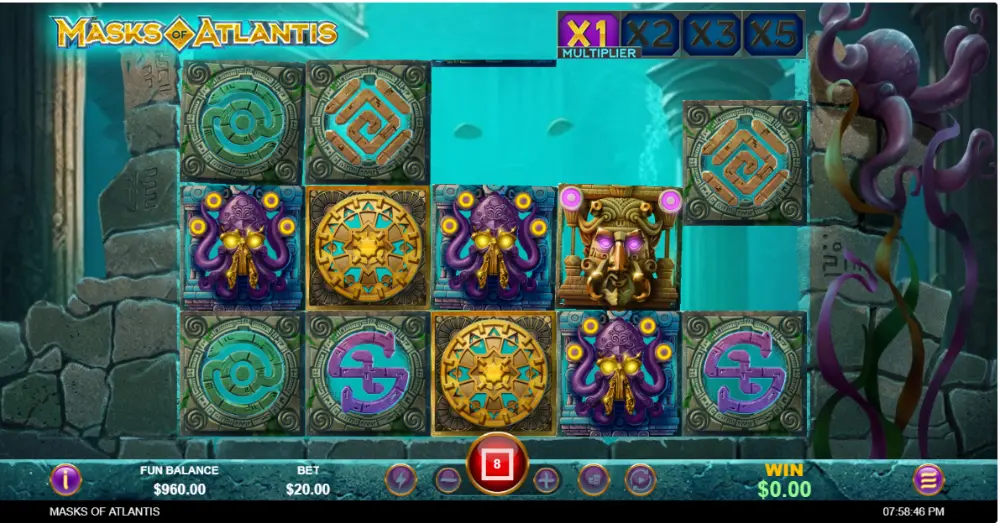
This is one of RTG’s best-kept secrets. It uses a “Cascading Wins” mechanic, meaning one spin can result in 5 or 6 wins as symbols vanish and drop. This lowers the effective volatility, keeping your bankroll alive longer.
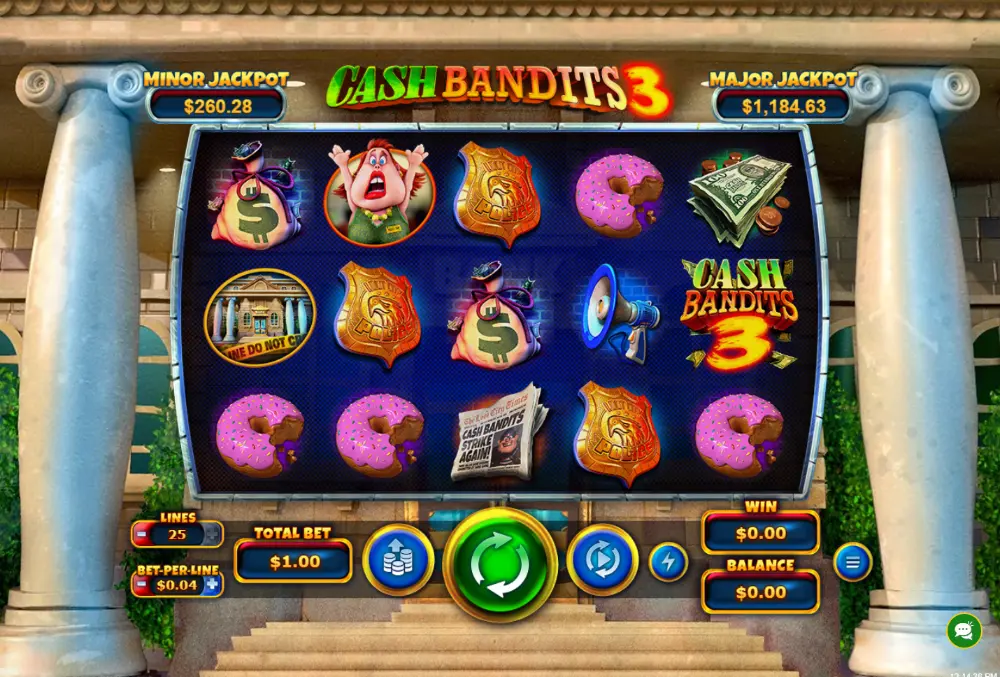
If you want big wins, Cash Bandits 3 is the king. The “Vault Feature” is unique because it isn’t entirely random—your ability to guess the code (or get lucky) determines how many free spins you get. You can win up to 390 Free Spins with a 23x multiplier. That is extreme volatility, but the reward potential is massive.
Casinos don’t need to cheat—the math is already in their favor. Every slot has a built-in house edge. If a game has a 96% RTP, the casino keeps 4% of all money wagered over the life of the machine.
Short-term vs. Long-term: You can beat the house in the short term (variance). You can hit a jackpot on spin #1. But if you play forever, you will lose exactly 4%. The goal of smart gambling is to hit that short-term variance and cash out before the long-term math catches up.
RTG slots are completely random. No pattern, system, or “timing strategy” can change the seed number of the RNG. Believing otherwise leads to poor decisions and chasing losses. How do I manage all that? I choose high-RTP games, I refuse bonuses with “Maximum Cashout” limits, and I stop playing the moment I hit a decent win.

Mark Taylor Slot Analysis • Updated: January 26, 2026 There’s a hidden number baked into every game that shapes how often you win; that’s the hit frequency. It tells you h...

Mark Taylor Chief Auditor • Updated: January 17, 2026 The question has been asked since the first virtual deck was shuffled: Can I beat the online casino using math? In l...
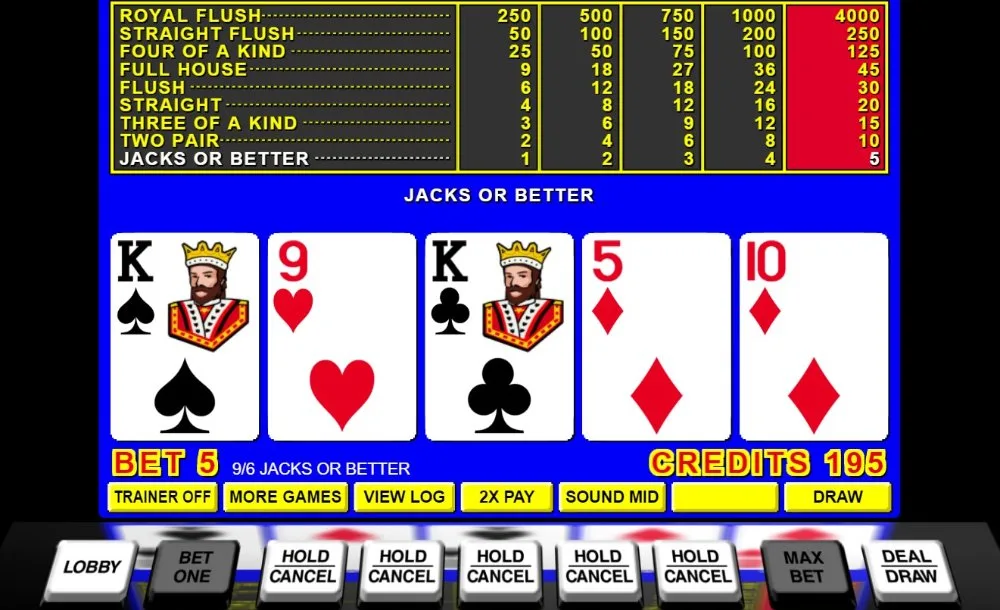
Mark Taylor Video Poker Analysis • Updated: February 4, 2026 I like playing video poker, especially Jacks or Better. Why is this version my favorite? It is the bedrock of all vi...
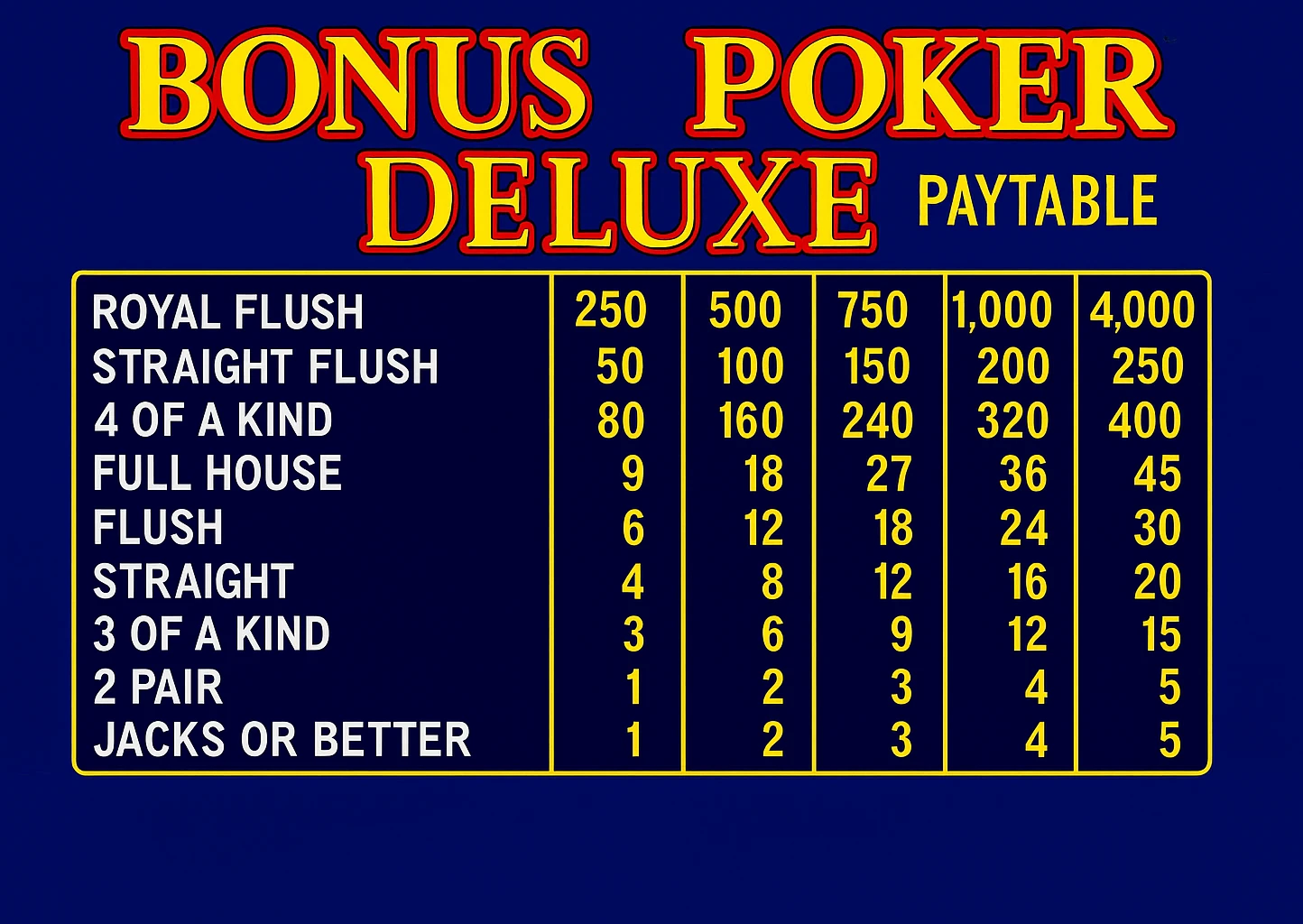
Mark Taylor Video Poker Analysis • Updated: January 26, 2026 Bonus Poker Deluxe is one of the highest-paying video poker games online if you stick to optimal hands. It plays wit...