18+ only. Gamble responsibly. Call or text 1-800-MY-RESET.Independent reviews. We may earn a commission when you sign up, which never changes our rankings.

 4 June 2025
 4 minutes to read


There’s a hidden number baked into every game that shapes how often you win; that’s the hit frequency. It tells you how likely you’ll land a winning combination on any given spin.
The catch? Casinos rarely show it, and most slot sites don’t even explain it. Players often confuse it with RTP (Return to Player), but they are completely different mathematical concepts.
In this guide, I explain what hit frequency means, how it compares to volatility, and why a “High Hit Frequency” slot might actually be draining your bankroll faster than you realize.
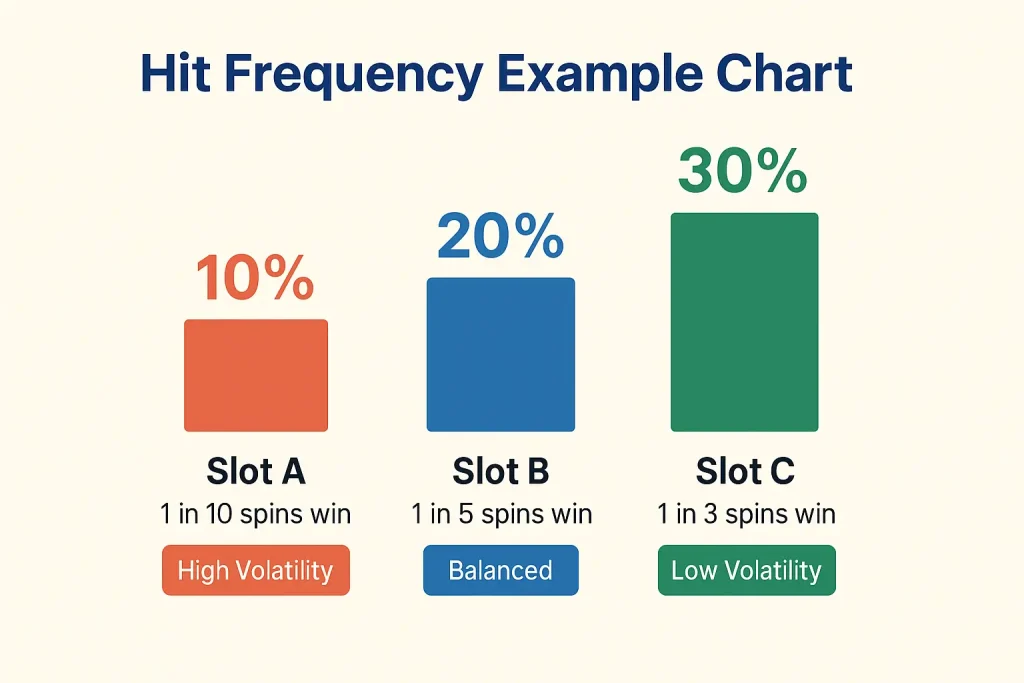
Hit frequency is simply the percentage of spins that result in a payout. If a slot has a hit frequency of 20%, you will statistically receive a payout on every 5th spin (on average).
What It DOESN’T Tell You:
It doesn’t tell you how big the wins are. A slot might have a 50% hit frequency, but if every win pays $0.50 on a $1.00 bet, you are still losing money rapidly. This is known as a “Loss Disguised as a Win” (LDW).
Most providers (like NetEnt or Pragmatic Play) don’t publish the hit rate on the splash screen. But through extensive testing and data analysis, we know that online slot frequencies generally fall into three buckets:
These three terms are often used interchangeably by players, but they measure completely different things. You need to understand the “Holy Trinity” of slot math.
| Metric | Definition | Example |
|---|---|---|
| 🎯 Hit Frequency | How often you win. | 25% (1 in 4 spins pays). |
| 💸 RTP | How much is paid back long-term. | 96% ($96 back per $100). |
| ⚡ Volatility | The size/risk of the payouts. | High (Rare but Big Wins). |
Here’s the kicker: a slot can have High Hit Frequency but Low RTP (you win often, but the casino keeps more profit), or Low Frequency and High RTP (you lose often, but one massive jackpot balances the math).
“I want a slot that hits often!” This is a common request, but be careful what you wish for.
Imagine you bet $1.00. You spin the reels. Lights flash, bells ring, and the screen says “WINNER!” You look at your balance… it went up by $0.40.
Technically, this counts as a “Hit” towards the frequency percentage. Financially, you just lost $0.60. Slots with 40%+ hit frequency rely heavily on these false wins to keep you engaged while slowly draining your balance.
You can often “feel” the frequency within 50 spins. Here is how to use that information to pick the right game for your session.
Goal: Bonus Clearing
If you have a casino bonus to wager, choose High Hit Frequency (30%+).
You want constant small wins to recycle your balance without busting. Look for games like Starburst or Blood Suckers.
Goal: Jackpot Hunting
If you want to turn $20 into $2,000, choose Low Hit Frequency (10-15%).
You accept 10 dead spins in a row because the 11th spin could be a 500x multiplier. Look for high volatility slots.
Since casinos hide this number, you have to find it. Here is the “20 Spin Test” I use:
For those who want to dive deeper into the mathematics of slot machine probability, reputable resources like The Wizard of Odds break down the PAR sheets of land-based machines. Additionally, the UNLV Gaming Research Center publishes annual reports on slot hold percentages that correlate with frequency trends.
Hit frequency won’t make or break your bankroll on its own, but understanding it gives you an edge that 90% of slot players ignore. It tells you the “texture” of the game. Use it to manage your expectations. If you sit down at a high-volatility, low-frequency slot, expect silence. If you sit at a high-frequency slot, expect noise but check your balance. Combine this knowledge with RTP, and you stop being a gambler and start being a strategist.
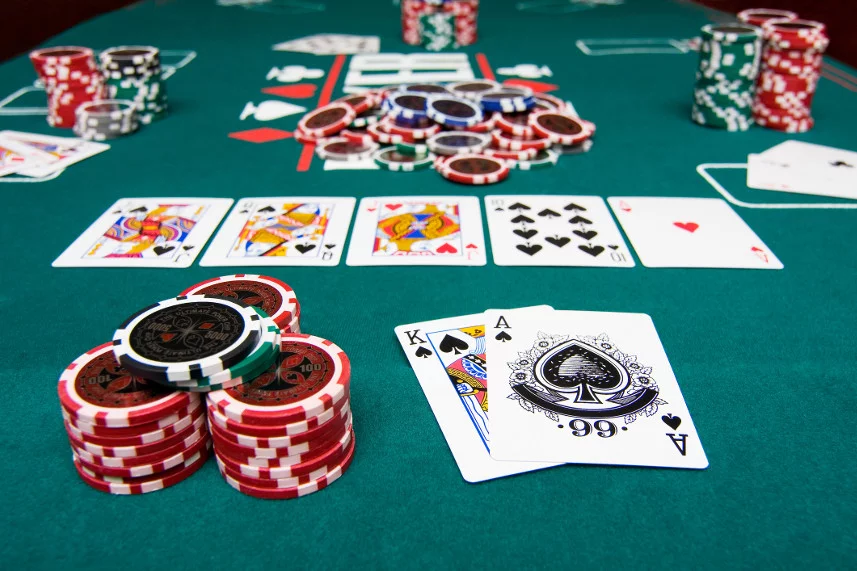
Mark Taylor Blackjack Strategy • Updated: January 22, 2026 Online casino Blackjack is as popular as Starbucks, with more players joining daily. But unlike slots, where you just ...
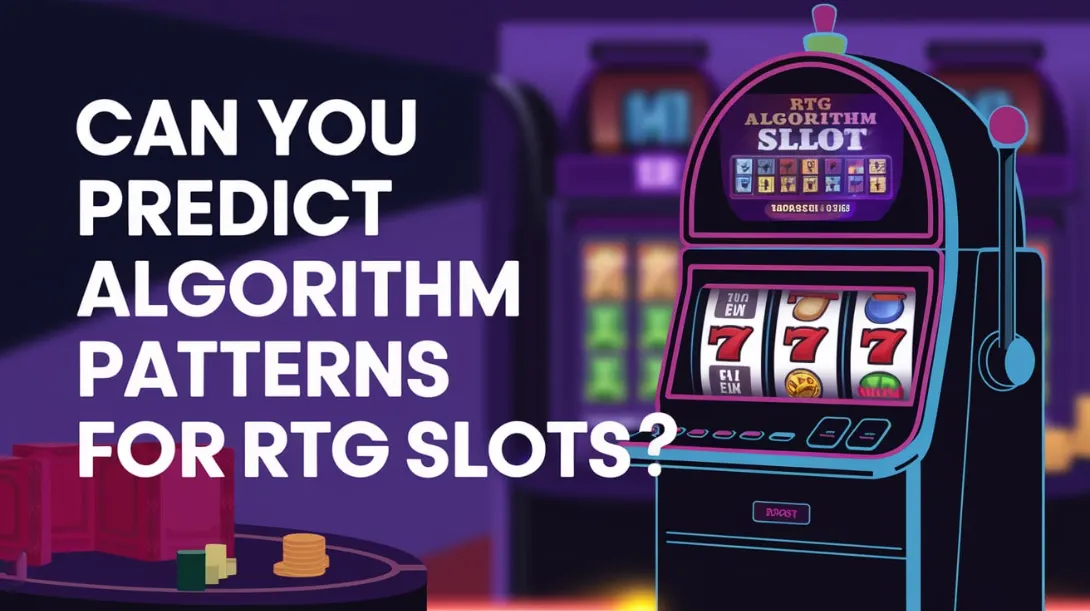
Mark Taylor Chief Auditor • Updated: January 15, 2026 The Truth About “Cracking” the RTG Code Many players believe they can crack the code behind RealTime Gaming (RT...
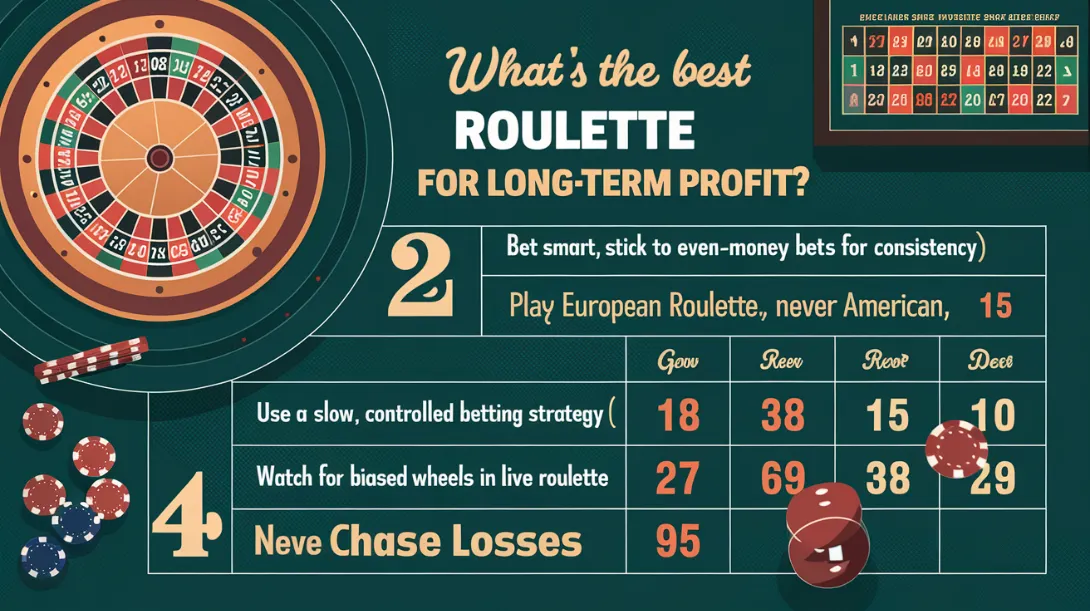
The Mathematical Truth About Beating the Wheel Casino Mathematics by Mark Taylor Updated: March 10, 2026 I have rigorously mathematically tested every single roulette system und...
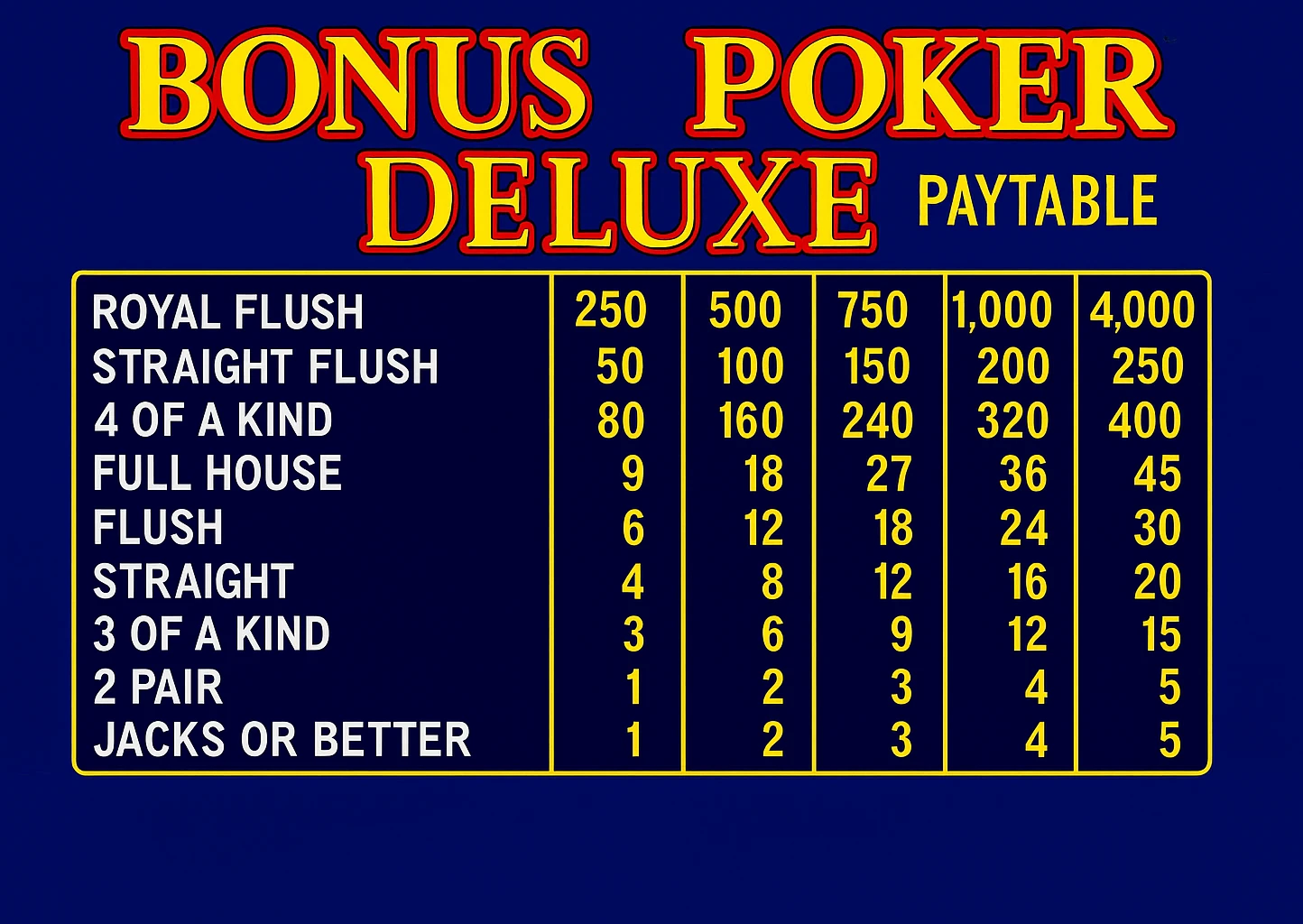
Mark Taylor Video Poker Analysis • Updated: January 26, 2026 Bonus Poker Deluxe is one of the highest-paying video poker games online if you stick to optimal hands. It plays wit...