18+ only. Gamble responsibly. Call or text 1-800-MY-RESET.Independent reviews. We may earn a commission when you sign up, which never changes our rankings.
 4 March 2025
 5 minutes to read


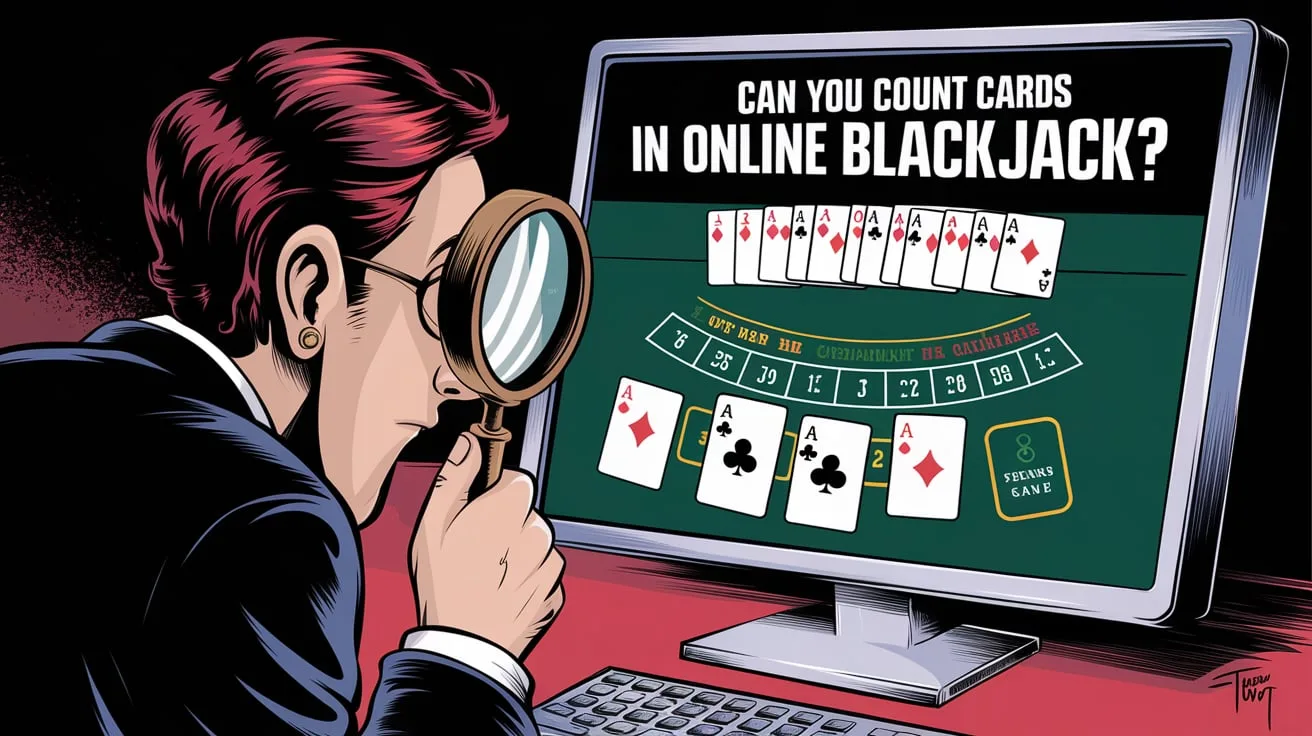
The question has been asked since the first virtual deck was shuffled: Can I beat the online casino using math? In land-based casinos, card counting works because the dealers don’t shuffle the deck after every hand. Skilled players track high and low cards to know when the odds shift in their favor.
Does that same strategy work online? That depends entirely on whether you’re playing RNG-based blackjack or live dealer games. The mechanics are vastly different, and applying the wrong strategy to the wrong game will drain your bankroll faster than a bad run of cards.
In this audit, I compare RNG vs. Live Dealer physics, explain how casinos use AI to identify counters, and share the only “stealth” strategies that might still squeeze out an edge.

Card counting isn’t about memorizing every card. It’s about tracking the ratio of High Cards (10, J, Q, K, A) to Low Cards (2-6) remaining in the deck. When the deck is rich in 10s and Aces, the player has a mathematical advantage (more Blackjacks, dealer busts more often).
For a deeper dive into the math, I recommend reading the original thesis by The Wizard of Odds, which explains why the “True Count” matters more than the running count.
I’ve tried counting cards in RNG blackjack, and it’s a waste of time. Every hand is independent because the game reshuffles automatically after each deal.
Software providers design these games to mimic a slot machine. Even if you see a string of low cards dealt, the software instantly “re-shuffles” the full virtual shoe before the next hand. Since the deck has no memory, the “True Count” is always zero. Your best strategy here is simply to use a Basic Strategy chart to lower the house edge to ~0.5%.
Live dealer blackjack is different because it uses real physical decks. The dealer cannot shuffle after every hand without slowing the game down to a crawl. This opens a theoretical window for counting.
“Penetration” refers to how deep into the shoe the dealer goes before shuffling. In a Las Vegas high-limit room, they might deal 5 out of 6 decks (83% penetration). This is great for counters.
Online Reality: Studios like Evolution and Playtech instruct dealers to place the cut card right in the middle (50% penetration). They shuffle after only 4 of the 8 decks are played. This prevents the variance from swinging high enough to give you a profitable betting opportunity.
Furthermore, beware of the Continuous Shuffling Machine (CSM). If you see the dealer feeding used cards back into a machine immediately after the hand, stand up and leave. That machine is an “edge killer” that randomizes the deck instantly.
“Wonging” (named after Stanford Wong) is the practice of standing behind a table and counting without betting, then jumping in only when the count gets hot. In physical casinos, this is effective but obvious.
Can you do it online?
You might think you are safe because the casino can’t see your face. Wrong. Online casinos use “Bet Radar” software to track your betting patterns.
The software looks for “Bet Spreads.” If you bet $10 for 20 hands, and then suddenly jump to $100 the moment the deck gets rich in Aces, the AI flags you. It doesn’t need to know why you did it; the correlation is enough evidence.
While counting the main game is hard due to shallow penetration, some pros target Side Bets like “Perfect Pairs” or “21+3.”
These bets are highly sensitive to specific cards. For example, if you know the deck is rich in a specific suit, the “Perfect Pair” odds shift drastically. According to studies by the UNLV Center for Gaming Research, side bets often have higher vulnerability to counting than the main game, though the variance is extreme.
No. Counting in your head is a skill, not a crime. However, using software bots to count for you violates the “Terms of Service” and can lead to confiscation of funds.
Casinos using Visionary iGaming (ViG) or Fresh Deck Studios often have slightly better penetration than Evolution Gaming tables, sometimes dealing up to 50-60% of the shoe.
Technically yes, since they can’t see your screen. But remember: if your betting matches the spreadsheet perfectly, the AI pattern recognition will catch you eventually.
They ban “advantage players.” If you win by luck, they send you a VIP invite. If you win by math, they restrict your betting limits to $1.00 per hand.
Card counting online is technically possible on specific live tables, but practically futile for most. The combination of early shuffles (50% penetration), 8-deck shoes, and aggressive AI surveillance makes it nearly impossible to gain a sustainable edge. My advice? Forget counting. Focus on mastering Basic Strategy, managing your bankroll, and finding tables with the best rules (3:2 payouts and Dealer Stands on Soft 17).

Slot Volatility Analysis by Mark Taylor Updated: February 19, 2026 I played slots where I spun the reels for 200 spins without triggering a bonus. Then there were times I’...

Mark Taylor Slot Analysis • Updated: January 26, 2026 There’s a hidden number baked into every game that shapes how often you win; that’s the hit frequency. It tells you h...
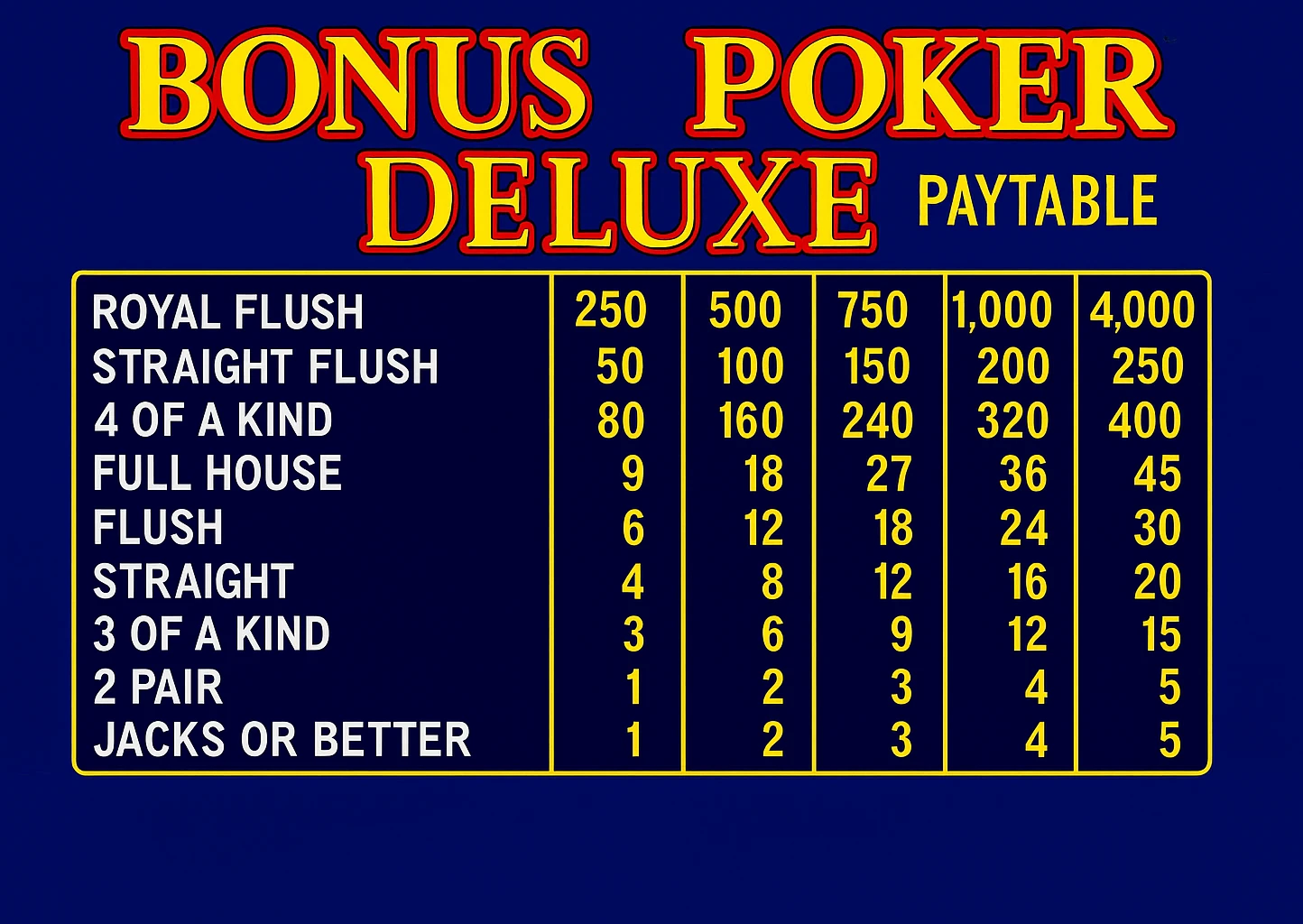
Mark Taylor Video Poker Analysis • Updated: January 26, 2026 Bonus Poker Deluxe is one of the highest-paying video poker games online if you stick to optimal hands. It plays wit...
The Mathematical Truth About Beating the Wheel Casino Mathematics by Mark Taylor Updated: March 10, 2026 I have rigorously mathematically tested every single roulette system und...