

[simple-author-box]
18+ only. Gamble responsibly. Call or text 1-800-MY-RESET.Independent reviews. We may earn a commission when you sign up, which never changes our rankings.

 2 December 2025
 4 minutes to read


Yes, online casinos detect your IP the moment you connect. Offshore casinos use it for location control, AML screening, and fraud prevention.
Certain crypto casinos allow VPNs. If you use a VPN that’s against their policies, they’ll close your account.
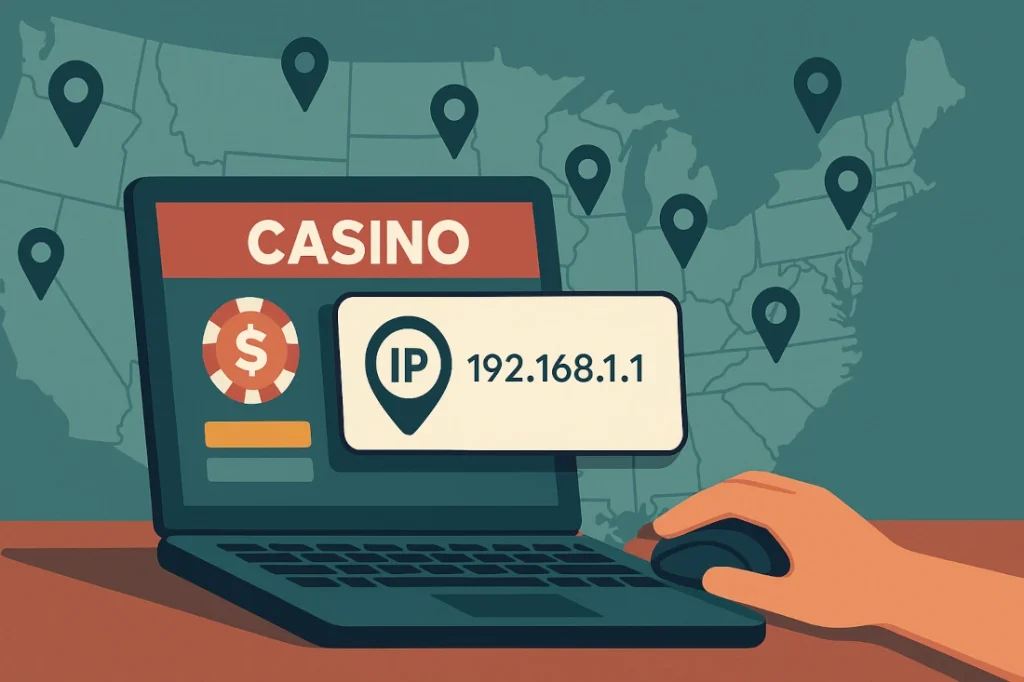
The second I open an account, the casino knows my IP address. That single data point tells them where I’m connecting from and whether they can legally accept me.
Real-money casinos like MyBookie use IP checks for one reason: location control. They want American players. If your IP comes from a blocked location, they flag you instantly.
Years ago, I tried creating multiple accounts at a shady casino to grab extra bonuses. They spotted the duplicate IPs and banned me on the spot. No loss there. That same casino stiffed half the player base.
The experience proved something important: IP tracking is a safety tool. It keeps casinos compliant and bonus abusers out.
Moreover, it protects legitimate players. That’s why I read every casino’s privacy policy before depositing. You should, too.
Casinos rely on geolocation for three core reasons. Offshore casinos rely on IP tracking because they operate outside the US.
Simply put, they must prove they don’t accept restricted players. They must use location data to control payouts, KYC, and withdrawal approvals.
VPNs are useful, but only if the casino allows them. Most US-facing crypto casinos do. UK-licensed casinos don’t. The UKGC forbids VPN usage completely.
Besides, if they don’t allow a VPN, one of two things happens:
Here’s where many US players usually get it wrong. A VPN doesn’t help you win. It only hides your location. And if the casino supports VPN play, expect extra checks: document verification, proof of address, and even withdrawal reviews.
This brings me to my next point. I tested VPN access at 32Red. The site caught me immediately and locked me out. On the other hand, most offshore casinos catering to US players are more flexible.
I’ve deposited and withdrawn crypto from all three without problems. They understand the demand for privacy. Even then, I notify the casino when I plan on using a VPN.
Modern casinos don’t rely just on IP. They run a full fingerprint:
If the casinos see fingerprints that don’t match or location jumps, they’ll flag your account.
When a casino spots VPN activity, they’ll often:
If you’re breaking their restricted-country rule, expect a full freeze. I’ve seen accounts wiped clean because players hid their real region.
Otto’s Tip: I only recommend casinos where I’ve deposited real crypto and verified payouts. They passed identity checks, AML screening, and VPN detection without delaying withdrawals.
Here’s the snapshot from my testing:
Offshore US crypto casinos are the most VPN-friendly, but they still expect honesty.
Every reputable crypto casino I recommend on CasinoWhizz protects user data. They don’t sell it. They don’t share it outside their group, except for two scenarios:
When you self-ban at one casino in a group, they’ll share your IP and account information across their sister brands. That’s to prevent you from re-registering again.
If they detect suspicious activity, they must escalate it to the authorities. This is industry standard. In the UK, GamStop links self-excluded players across all licensed sites.
GDPR and the Data Protection Act 2018 force casinos to share specific data under certain conditions. This is why I read privacy policies like a lawyer. You should know what they keep and why.
No. Your IP has zero influence on how slot spins land or whether blackjack deals in your favor. RNGs determine every result. Furthermore, eCOGRA and TST audit their RNGs.
Slot RTPs are from the software provider, not the casino. That’s why you should check the paytable or read our expert slot reviews for the volatility breakdown.
To prove they’re not accepting players from banned US states. IP tracking protects them from legal issues.
Yes. They need your region for AML screening and to flag hidden locations during deposits or withdrawals.
US crypto players value privacy. Therefore, VPN support helps them play without exposing their real location, provided their KYC details line up.
To prevent bonus abuse and fraudulent sign-ups, VPNs make it easier to detect duplicate accounts.
The casino can freeze your withdrawal, void your bonuses, or even confiscate your balance for violating their terms.
IP tracking gets a bad name, yet it’s a much-needed security layer. Good casinos use it to prevent fraud and keep payouts clean. Nothing shady about that.
In my testing, honest players never encountered problems. Trouble starts when someone hides their location, duplicates accounts, or abuses bonuses.
The real threat is rogue casinos. They weaponize IP bans to stall payments and dodge big wins.
That’s why I only recommend casinos I’ve personally tested with real deposits and verified crypto withdrawals. When you play at the casinos here with a clean track record, IP tracking is not a risk.
[simple-author-box]
Mark Taylor Casino Auditor • Updated: January 25, 2026 You won fair and square. You played by the rules. Yet the casino still delays your payment. I’ve been there, and to put i...
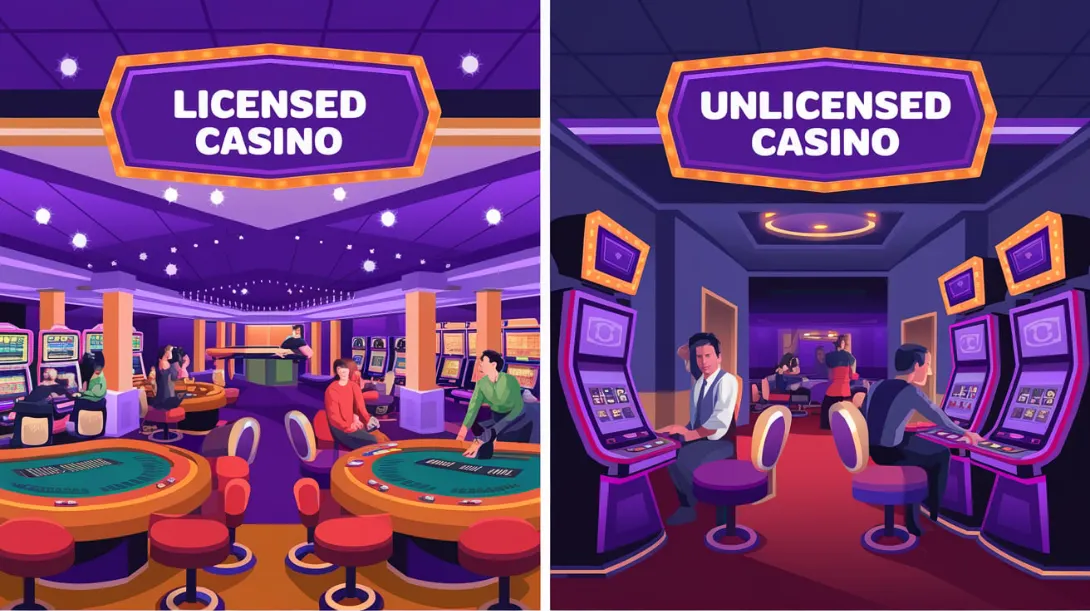
Regulatory Audit by Mark Taylor Updated: February 20, 2026 Most players never bother to check an online casino’s licensing credentials. They see the flashy games, the massive pr...
Mark TaylorChief Auditor • Updated: August 2, 2026 An online casino almost never fails overnight. It fails in stages, and the early stages are visible from the cashier if you kn...
Bitcoin Analysis by Mark Taylor Updated: March 2, 2026 I have professionally reviewed over 200 crypto casinos, and I have seen every sophisticated scam in the book. We are talki...